


According to the Office for National Statistics (ONS), the employment rate in the UK is currently at 75.9%.
This percentage is slightly below the pre-pandemic level of 76.6%, with the unemployment rate sitting at 3.8%.
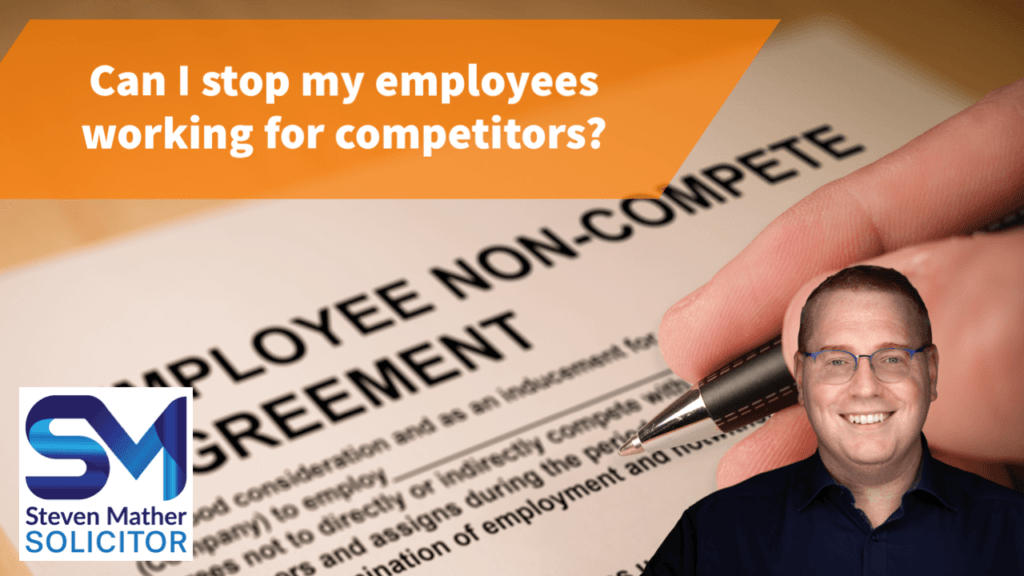
This tight labour market has made it more difficult for businesses to attract and retain top talent. As a result, employers will often turn to non-compete clauses as a way of preventing their employees from leaving and joining a competitor.
However, it’s important to note that the enforceability of restrictive covenants such as non-compete clauses in the UK can vary depending on the specific circumstances. In general, non-compete clauses are more likely to be enforceable if they are reasonable and necessary to protect the employer’s legitimate business interests.
There’s plenty in the press right now about Twitter, its re-invention, and the employee non-compete clause in place. Twitter’s non-compete clause prohibits employees from working for a competitor for a period of six months after leaving the company.
However, Elon Musk has said that he plans to relax Twitter’s non-compete clause. This could allow employees who leave Twitter to work for competitors more easily. With Threads making waves, this could lead to a number of implications, including:
- More employees leaving Twitter to work for competitors
- More competition in the social media industry
- A decrease in the amount of confidential information and intellectual property that Twitter is able to protect
It is still too early to say what the ultimate impact of Musk’s acquisition of Twitter will be on the company’s non-compete clause. However, it is clear that this is an issue that will be closely watched by businesses and employees alike.
In this article, we’ll take a look at the legal landscape surrounding non-compete clauses, together with some of the factors that courts consider when determining whether or not to enforce these clauses. We’ll also provide some tips for drafting non-compete clauses that are more likely to be enforceable.
Employment contracts
Well-thought out employment contracts can certainly help you avoid situations of employees leaving to work for a competitor.
Other useful terms to include in a contract of employment to protect your business can include:
- Garden leave clause requires the employee to stay away from work for a specified amount of time after termination of employment. This is helpful to help protect your business’s confidential information and intellectual property.
- Confidential information and intellectual property protection should also specify what happens if the employee breaches the confidentiality agreement.
- Obligation to act in the best interests of the employer is a clause which can help to stop the employee from engaging in activities that could potentially harm your company.
- Limiting on activities outside of work prevents an employee from using confidential data or intellectual property for their own personal gain.
- Appropriate notice period should be given for termination of employment. The contract should also specify that the employer is allowed to pay the employee in lieu of notice if the employee is terminated for cause.
Factors courts consider when determining enforceability
There are a number of factors that courts consider when determining whether or not to enforce a non-compete clause.
These factors include:
- The length of the restriction
- The geographic scope of the restriction
- The nature of the employee’s job duties
- The employer’s legitimate business interests
To draft a non-compete clause, I would recommend the following steps:
- Specific: Clearly define the activities that the employee is prohibited from engaging in. For example, the clause might specify that the employee is prohibited from working for a specific competitor, soliciting the employer’s customers, or using the employer’s trade secrets.
- Reasonable: Terms of length, geographic scope, and types of activities should all be reasonable. For example, a clause that prohibits the employee from working in the same industry for a period of two years after termination of employment is more likely to be enforceable than a clause that prohibits the employee from working in any capacity for a period of five years.
- Necessary: Ensure your clause is necessary to protect your business’s legitimate interests. Say your business is based on confidential information, a clause would be necessary to prevent an employee from disclosing that information to a competitor.
- Enforceable: The non-compete clause must be enforceable under the laws of England and Wales.
In recent years, there has been a growing trend towards stricter enforcement of non-compete clauses in the UK. This is due in part to the increasing complexity of the economy, and the growing need for businesses to protect their confidential information and intellectual property. The key is always ensuring your restrictive covenants are well drafted.
Non-compete clauses
If you are considering including a non-compete clause in your employment contracts, it is important to draft the clause carefully. You should consult an expert business lawyer to ensure that the clause is enforceable and that it meets your specific needs.
I am here to help. Get in touch today to start protecting your business and your data.