How do you buy a business in the UK? A step by step guide
How do you buy a business in the UK? From finding one to completion: valuing it, heads of terms, funding, due diligence, the purchase agreement and costs.
Read it
Buying a business
Buying a company or its assets? I act for buyers of owner-managed businesses on heads of terms, due diligence and the purchase agreement, for a fixed fee.
Fixed fee agreed before I start, usually about 1% to 3% of the price plus VAT.
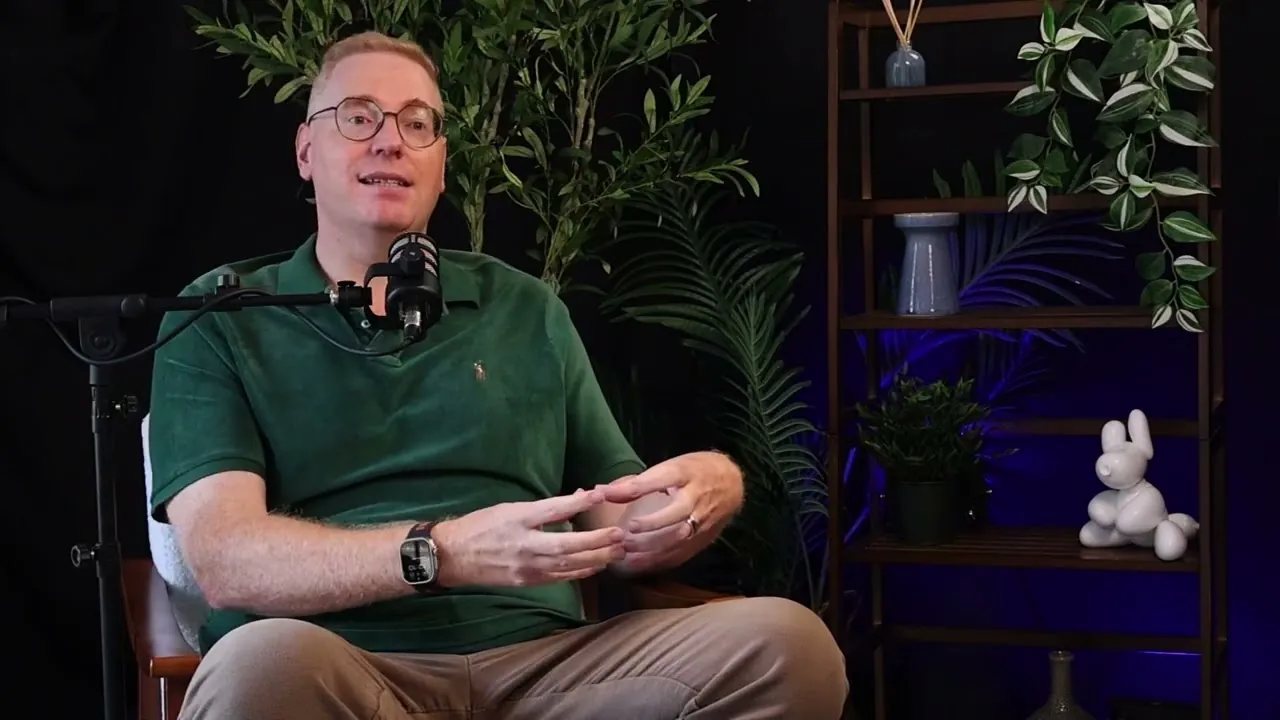
I act for people buying owner-managed businesses in England and Wales. That might be an owner buying a competitor or a supplier, a firm buying a client book, a management team buying out the owner, one shareholder buying out another, or a first-time buyer who has found a business they’d like to run. Most of the deals I work on are worth somewhere between £250,000 and £10m.
The legal work on a purchase goes through the same stages as a sale (heads of terms, due diligence, the purchase agreement and completion), but as the buyer you carry most of the risk. The seller knows what’s wrong with the business and you don’t, and once you’ve paid the price it’s hard to get any of it back. So most of what I do for a buyer is about finding out what you’re actually getting, and making sure the contract gives you a claim against the seller if the business turns out to be different from what you were told.
I don’t have a team behind me, so you deal with me from the first email through to completion, and I work alongside your accountant, who handles the financial and tax side. If you’d like the longer, step by step version, I’ve written a guide to buying a business in the UK.
If you buy the shares, you buy the company, and the company comes with its whole history, including its tax position, its employees, its contracts and any claims which haven’t been made yet. Nothing has to be transferred, which makes a share purchase simpler to complete, but it’s also why the due diligence and the warranties are so important. The document is a share purchase agreement.
If you buy the assets, you choose what you take (goodwill, stock, equipment, contracts, the name) and broadly leave the rest behind with the seller’s company. That’s better from a liability point of view but there’s more to do, as customer and supplier contracts have to be transferred one by one, often with the other party’s consent, and the employees who work in the business will normally transfer to you automatically under TUPE on their existing terms. That kind of deal is done on an asset purchase agreement.
Sellers usually prefer a share sale for tax reasons, so the choice has often been made before the buyer has had much say in it. It’s still worth understanding what you’re agreeing to, as it decides what you take on and what the agreement has to protect you against.
Heads of terms set out the price, how and when it’s paid, what’s being bought and the timetable. They’re mostly not legally binding, apart from confidentiality and exclusivity, but in practice they set the main terms of the deal and it’s hard to reopen a point once you’ve agreed it in writing, so it’s best if I see them before you sign. A buyer normally wants a period of exclusivity, so that the seller can’t use your offer to get a better one from someone else while you’re paying for due diligence.
Due diligence is the buyer’s investigation of the business. I send the seller’s solicitor a set of legal enquiries and read what comes back, which will include the contracts, the employment terms, the company records, any disputes, the property documents and who owns the intellectual property. I then report to you on the points that affect the price and the protection you need, and your accountant does the same on the numbers and the tax.
Most of what a due diligence report raises won’t be a reason to walk away. It’s usually a list of things to fix before completion, things to reduce the price for and things to cover in the contract. There’s more on how it works on my page on due diligence for buyers.
The law gives a buyer very little protection by default, so it has to be written into the agreement. Warranties are statements by the seller about the business (for example that the accounts are accurate, there’s no litigation and the tax is paid), and if one turns out to be untrue and you’ve lost money as a result, you can claim. The seller qualifies the warranties in a disclosure letter, and a buyer should push back on vague, sweeping disclosures, as I’ve explained in my article on general disclosures.
Indemnities deal with problems you already know about. If due diligence turns up a tax enquiry or an unhappy ex-employee, an indemnity means the seller has to cover the cost pound for pound if it goes wrong. A retention holds back part of the price for a period after completion, so that there is money to claim against if something does come up. Restrictive covenants stop the seller from setting up in competition, approaching the customers or hiring the staff.
I’ve gone into more detail on my page about warranties and indemnities. The seller’s solicitor will be asking for the opposite on all of this, with caps on liability, time limits for claims and minimum claim sizes. I act for sellers as well as buyers, so I’m used to dealing with those points from both sides.
Most buyers use some mix of their own money, bank lending and deferred consideration, where part of the price is paid in instalments after completion, sometimes documented as loan notes. An earn-out ties part of the price to how the business performs after you take over. Deals where nothing is paid up front do happen, but they aren’t common, and a seller who agrees to wait for the money will want security for it. I’ve written about buying a business with no money, raising finance and deferred payments from both sides.
A purchase usually takes two to three months from agreed heads of terms to completion, and sometimes longer. The usual causes of delay on the buyer’s side are lender approval, a landlord’s consent to the lease changing hands and slow replies to due diligence enquiries. Deals that need a regulator’s approval take longer, and buying an FCA-regulated business usually takes around six months.
I work on fixed fees, with a written scope of work agreed before I start. The fee depends on the size of the deal and how much work is involved. On a sale or purchase between £500,000 and £5m it’s usually between about 1% and 3% of the price, and the percentage falls as the deal gets bigger. Most full sales and purchases start at around £10,000 plus VAT. Franchise resales, client bank deals and most management buy-outs usually cost less, as there’s less to negotiate.
My standard scope doesn’t include warranty and indemnity insurance, escrow arrangements or property work. If the business comes with a lease or a freehold, the property side is handled with a commercial property colleague at Nexa, who quotes separately. I’m a consultant solicitor and all my legal work is carried out through Nexa Law Limited, which is authorised and regulated by the Solicitors Regulation Authority.
If you’d like me to act, send me the details, including the business you’re buying, whether it’s shares or assets, the price and how it’s being paid, the heads of terms if you have them and the timetable you’re working to. I’ll come back to you with a fixed fee and a scope of work.
In this section
Buying a business? I run the legal due diligence, report on what matters for the price and the contract, and turn what I find into protection for you.
Buying out a co-director or a retiring shareholder? I deal with the share purchase or company buyback, the paperwork and their exit, for a fixed fee.
Buying an IFA, wealth or insurance business, or a client bank? I draft the purchase agreement and plan the deal around FCA approval, for a fixed fee.
Related writing
How do you buy a business in the UK? From finding one to completion: valuing it, heads of terms, funding, due diligence, the purchase agreement and costs.
Read it
Looking to buy a business but don't have the funds to make the purchase? This article offers tips and strategies for acquiring a business with little or no money down, from seeking out owner financing to exploring creative financing options like seller carry-backs or equity partnerships.
Read it
No, buying an existing business is lower risk. Due to current clients and customers, employees, systems, suppliers, and financial history, buying an existing business is certainly less risky than starting a new business.
Read itSwipe for more
Watch
Drop me a line
I’ll give you a steer and tell you whether I’m the right person for the job. If I’m not, I’ll say so and point you at someone who is.
StevenAI answers from this website. It gives general information rather than legal advice on your situation, and using it does not make me your solicitor.