You have probably seen the recent BBC story headlined I am caught in a trade mark row with Cambridge University it is terrifying. That headline captured attention because it frames a standard trademark opposition as David against Goliath. A small business owner versus a historic institution with deep pockets.
The instinctive reaction for many readers is simple sympathy for the individual. Feeling sorry for someone up against a venerable university can be compelling. But sympathy from a headline should not be mistaken for legal truth.
There is a real story here, and the real story is not that Cambridge University is “bullying” a sole trader. The real story is about what trade marks are and how they work in practice.
In this blog I explain the legal framework around trade marks in the UK, what likely lies behind the dispute you have read about, and what both businesses and individuals should take away from it. I have no actual knowledge of the case, so what follows is my view on how the case might look.
What happened according to the BBC article
In the BBC article the individual involved described his experience as terrifying.
The article reports that the individual set up a business to teach rowing, and that he applied to register a trade mark consisting of a shield logo with a rower and the words Cambridge Rowing in multiple classes.
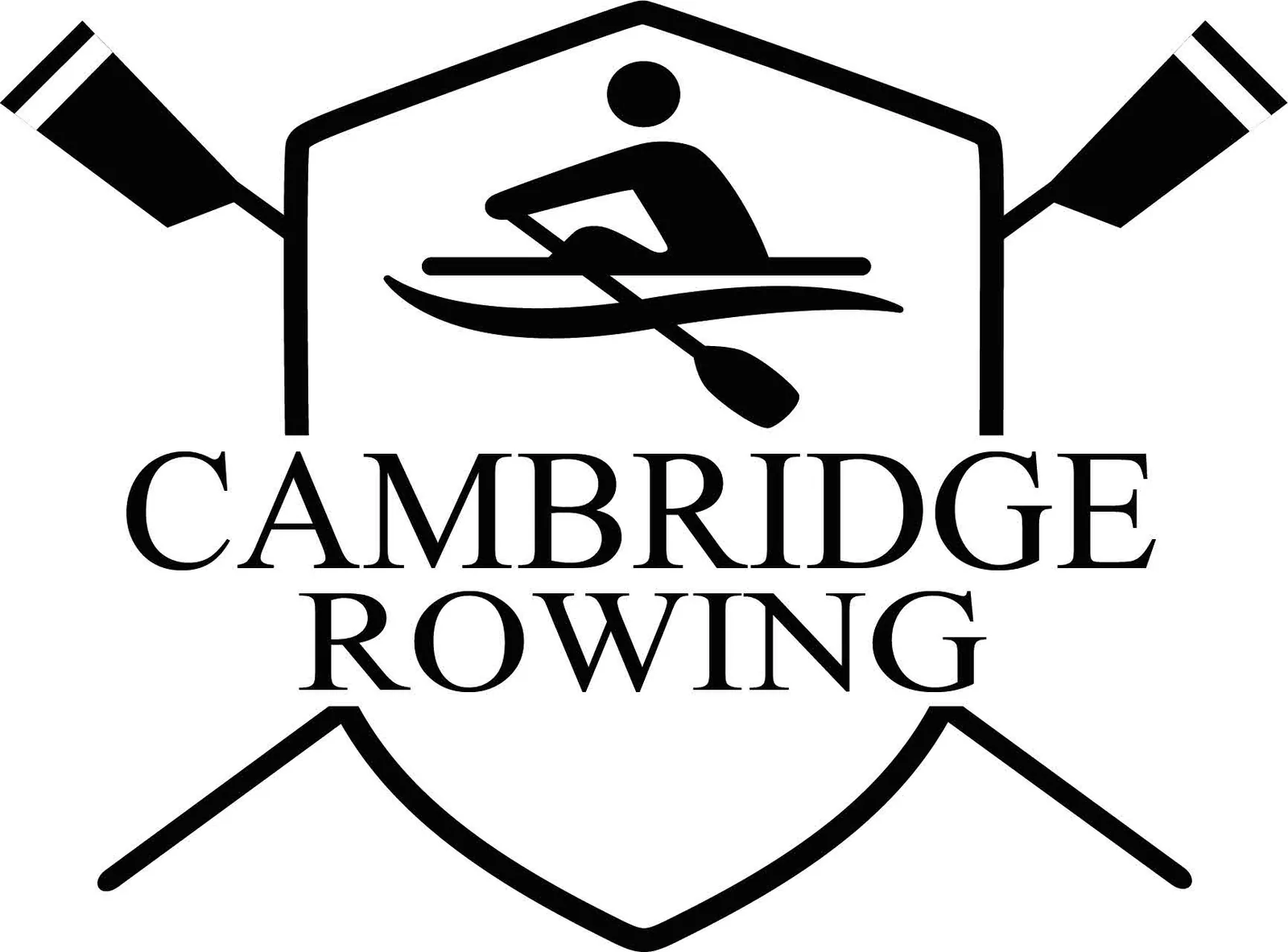 The Cambridge Rowing logo
The UK trade mark application can be viewed here:
https://trademarks.ipo.gov.uk/ipo-tmcase/page/Results/1/UK00003739581
As of the date of writing this blog that application is subject to an opposition by the University of Cambridge.
We do not yet know the full position of the proprietor of the application because these matters are private between the parties and the UK Intellectual Property Office until a final decision is published. But from what has been reported and from the trade mark database it is possible to explain the legal principles involved.
Trade marks exist to prevent consumer confusion
A trade mark is a sign used to distinguish the goods or services of one business from those of another. It can be a word, a slogan, a logo, or a combination of these.
If your business sells something or offers a service, you may want to register a trade mark to:
-
prevent others from copying your branding,
-
show that you own the name and logo of your business, and
-
make it easier to enforce your rights if someone else tries to ride on your reputation.
Trade marks in the UK are governed by the Trade Marks Act 1994. One of the core principles is that trade marks should not be confusingly similar. If a new trade mark applied for is similar to an earlier trade mark then the owner of the earlier one can oppose registration.
That is exactly what Cambridge University has done in this case.
Cambridge University has registered trade marks for the word “Cambridge”
Many organisations register their name and related signs as trade marks in a range of classes so that they can control how that name is used in the marketplace. Cambridge University is no different. Over many years it has registered numerous trade marks on the word Cambridge and on related badges and emblems in classes covering education, training, apparel, publications, and more, see here.
Incidentally here is their Rowing Club's registered trade mark logo: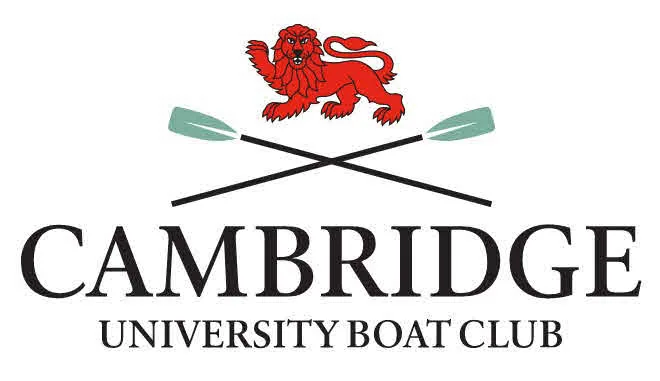
Other well known universities, sports clubs, and brands do the same thing.
These registrations give the proprietor a right to object to later applications that are similar or identical and that cover related goods or services. That objection is not optional if the proprietor wants to make sure its trade marks remain enforceable.
Under UK law a failure to enforce can lead to a defence called acquiescence where a later user argues that the owner of the earlier trade mark stood by while identical or similar marks were used, and therefore the owner should not be allowed to complain later.
Put more simply, if a brand lets others use its identity without challenge then the law may treat that as permission.
That is why big organisations vigorously oppose trade mark applications they consider infringing.
Let me be clear. Trade mark oppositions are not about punishing small businesses. They are about preserving the value of a brand and preventing consumer confusion.
Why the name Cambridge matters in this dispute
The individual involved in the dispute chose to use the name Cambridge Rowing. The issue is not that he said he is from Cambridge and coaches rowing in Cambridge. The issue is that he sought to register that name as a trade mark in classes which cover services that are close to what Cambridge University does.
That is, he could have called his company "Rowing in Cambridge" and it looks less similar; or even "Row more with Omar" (this is probably why i'm not in branding!). While he says he didn't do it intentionally, the most likely truth is that he did want to benefit from having at least a connection with the University of Cambridge.Class 41 in the trade mark application includes terms such as sports camps, instruction in sports, sports coaching, and other educational and training activities.
The University of Cambridge is known around the world not only for scholarly education but also for its sporting tradition, especially rowing. That is not incidental. Rowing is a high profile sport at the university, and it is part of its identity.
If someone applies to register a mark that is identical or similar to an earlier right, and covers similar services, the owner of the earlier right can file a formal opposition with the UK Intellectual Property Office.
That is what has happened.
Trade mark oppositions are normal legal procedure
In many parts of the world trade mark oppositions are daily business. In the UK the process works like this:
-
An application is published in the trade mark journal once it passes the initial examination at the UK Intellectual Property Office.
-
From the date of publication there is usually a window of two months in which third parties can oppose the application (although it can be done at any time).
-
The opponent must set out the grounds for opposition, relying on its earlier rights.
-
The proprietor of the opposed application can counter the opposition.
-
The dispute is then decided by the UKIPO based on documentary evidence and legal arguments, or sometimes on the papers without a hearing.
This procedure is not extraordinary. It is part of what trade mark registration means. If you want monopoly rights in a sign, you must be prepared to defend those rights.
The BBC article did not focus on these legal mechanics. Instead it highlighted the emotion of the situation by quoting the individual saying the experience had been terrifying. That is an understandable emotional reaction. Facing lawyers from a large institution can be intimidating. But emotional shock is not a legal defence.
The legal question is not about power. It is about confusion and prior rights
This dispute will turn on whether the mark Cambridge Rowing is sufficiently similar to earlier trade marks owned by Cambridge University and whether the services covered are similar such that an average consumer might be confused.
Two issues are at the heart of most trade mark oppositions:
-
Similarity of the marks The name Cambridge Rowing incorporates the word Cambridge, which is also present in the opponent’s registered marks. The logo includes a shield. The University uses a shield too. If overall the mark is similar, that favours the opponent.
-
Similarity of goods or services In this case the applied-for mark covers services such as sporting training. Cambridge University also offers education and training in sport, including rowing. When services are similar or related, even small differences in the marks themselves may not be enough to avoid confusion.
Trade mark law is not intuitive. Two marks can look different to a lay reader but still be confusing in the eyes of the law if consumers are likely to believe the services come from the same source.
Conversely two marks can look similar but be used for very different kinds of goods in ways that mean there is no confusion.
These are nuanced legal questions that require analysis of both the marks and the services in detail.
What might happen next
If this opposition continues before the UKIPO, the parties will exchange legal arguments. The proprietor of the application will explain why he believes his mark is different and why consumers will not be confused. The University of Cambridge will argue the opposite.
The UKIPO will then make a decision. That decision could:
-
uphold the opposition and refuse registration, or
-
reject the opposition and allow the registration to proceed.
Either outcome is possible in trade mark disputes. It depends on the facts, the evidence, and how the law is applied.
Of course, the parties could settle - usually entering into a co-existence agreement or requiring amendments to the application.Importantly trade mark owners can appeal decisions they do not like. Oppositions do not always end the same way.
What you should learn from this case
There are practical lessons here for anyone thinking about trade marks.
If you are starting a business, or thinking about rebranding, it is important to:
-
check for earlier trade mark rights before choosing a name or logo,
-
avoid adopting names that are identical or similar to famous or well-established brands, and
-
consider legal advice early if your trade mark could be seen as conflicting with another’s rights.
Business people sometimes assume that if a name describes what they do, it is safe. That is not true in trade mark law. It does not matter that you thought you were just describing a location or activity. If that name has acquired reputation through another’s use and registration, your application can be opposed.
In this particular case the individual involved could have described his services as rowing coaching in Cambridge or similar. That might not have been subject to opposition because it would not function as a trade mark in the same way. The issue only arises because of the attempt to register Cambridge Rowing as a badge indicating source of services.
It is therefore not a cautionary tale about big organisations picking on small ones. It is about understanding the legal rules before you act.
How I can help you
Trade mark registration and trade mark disputes are specialised legal areas. If you need assistance with:
-
choosing a good trade mark,
-
conducting trade mark searches,
-
filing trade mark applications in the UK, or
-
defending or prosecuting trade mark oppositions,
Steven his colleagues can help you navigate the process with clarity and precision.
We offer practical plain-English advice that keeps you out of trouble and protects the value of your brand.
Contact us to arrange a consultation. Trade mark law does not have to be terrifying, but it does require careful attention.
Written by Steven Mather, a business solicitor acting on company sales and purchases. This is general information about the law, not legal advice on your situation.